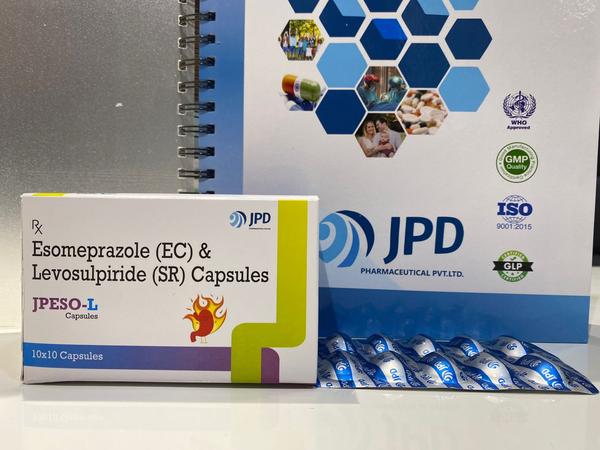
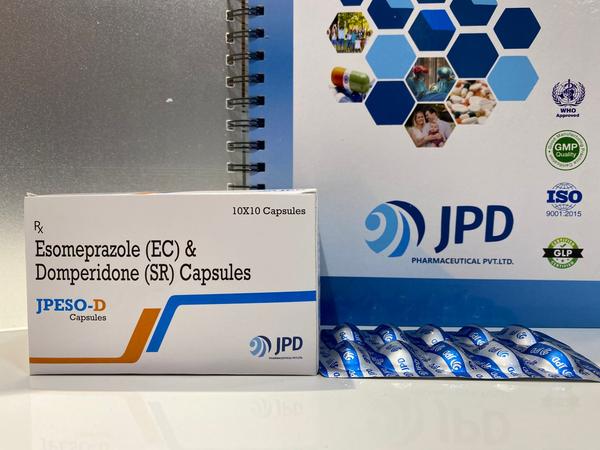
ESOMEPRAZOLE 40MG +DOMPERIDONE 30MG
INR 110
INR 125

 Chat with us
Clindamycin 600 mg is an antibiotic in the lincosamide class. The exact use depends on the infection being treated, the route of administration, and patient factors. Here are common indications and practical notes: Common indications for clindamycin (600 mg dose context): Skin and soft tissue infections (e.g., cellulitis, abscess), especially if MRSA coverage is not needed or in beta-lactam allergy. Intra-abdominal infections (often as part of combination therapy for mixed infections or when anaerobic coverage is desired). Gynecologic infections (e.g., endometritis, pelvic inflammatory disease) in certain regimens. Respiratory tract infections (e.g., community-acquired pneumonia in patients with penicillin allergy or where anaerobic coverage is helpful). Bone and joint infections (often used as part of combination therapy). Dental infections or other odontogenic infections. Some sexually transmitted infections (e.g., certain cases of pelvic infections) depending on local guidelines. Routes and dosing context: Oral: Commonly 300–600 mg every 6–8 hours, depending on severity and infection type. A 600 mg dose might be used as a loading dose or for specific regimens. Intravenous: 600 mg every 8 hours is a typical regimen for moderate-severe infections; sometimes 600 mg every 6 hours in more severe cases. Duration: Usually 5–10 days or longer if needed, tailored to infection response and clinical guidelines. Important safety notes: Allergies: Ensure no severe allergy to clindamycin or lincomycin. Gastrointestinal: Risk of antibiotic-associated diarrhea and C. difficile infection; monitor for persistent diarrhea. Hepatic/Renal: Dose adjustments are not usually required for mild to moderate impairment, but severe hepatic impairment may require caution. Drug interactions: Avoid concomitant use with neuromuscular blockers in certain settings; monitor use with other QT-prolonging drugs if applicable (rare with clindamycin but always check current meds). Prophylaxis: In some surgical prophylaxis contexts, clindamycin is used if patients are allergic to beta-lactams. Important: I’m not a substitute for medical advice. If you’re being prescribed clindamycin 600 mg, or reviewing a prescription, consult your clinician or pharmacist for dosing, indications, and safety tailored to the specific infection and patient factors. If you’d like, tell me: Is this for a specific infection or setting (skin/soft tissue, intra-abdominal, gynecologic, dental, etc.)? Route of administration and patient factors (age, kidney/liver function, antibiotic allergies)? Do you want a quick overview of common side effects or potential interactions?