Description
Pantoprazole 40mg
Overview:
Pantoprazole is a proton pump inhibitor (PPI) that reduces the production of stomach acid. It is commonly used to treat gastrointestinal conditions related to excess acid.
Mechanism of Action:
Pantoprazole inhibits the hydrogen-potassium ATPase enzyme system (the proton pump) in gastric parietal cells, leading to a profound and prolonged reduction in gastric acid secretion.
Uses / Indications:
Gastroesophageal reflux disease (GERD)
Erosive esophagitis
Zollinger-Ellison syndrome
Peptic ulcers
Prevention of gastric ulcers caused by medications like NSAIDs
Helicobacter pylori eradication regimens (as part of combination therapy)
Dosage:
Common dose: 40 mg once daily, depending on the condition
Duration varies based on condition severity and response
Side Effects:
Headache
Diarrhea
Nausea or vomiting
Abdominal pain
Flatulence
Potential for vitamin B12 deficiency with long-term use
Rarely, allergic reactions or kidney issues
Levosulpride SR (Sustained Release) 75mg
Overview:
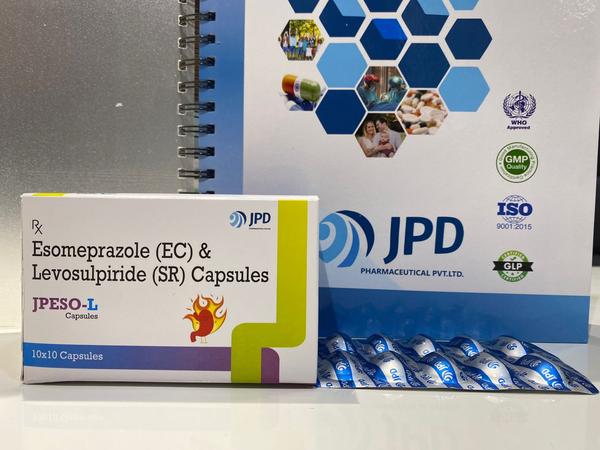
Levosulpride is an atypical antipsychotic, a selective dopamine D2/D3 receptor antagonist. The sustained release (SR) form allows for gradual drug release, improving compliance and steady blood levels.
Mechanism of Action:
Levosulpride primarily blocks dopamine receptors in the brain, which helps in managing symptoms of psychosis, such as hallucinations and delusions. It can also be effective in managing nausea and vomiting through dopamine antagonism.
Uses / Indications:
Schizophrenia
Psychotic disorders
Management of nausea and vomiting
Sometimes used for treatment-resistant depression (off-label)
Dosage:
Typical starting dose: 75 mg once daily, depending on clinical response
Dose adjustments based on therapeutic response and tolerability
Side Effects:
Extrapyramidal symptoms (dystonia, akathisia)
Drowsiness or sedation
Weight gain
Gastrointestinal disturbances
Rarely, prolongation of QT interval
Potential for increased prolactin levels
Combination Therapy and Considerations:
Pantoprazole + Levosulpride can be used together in clinical scenarios where gastrointestinal protection is necessary during antipsychotic therapy, or when managing gastrointestinal symptoms related to psychiatric treatment.
Important Notes:
Always follow prescribing guidelines and adjust doses based on individual patient needs.
Monitor for side effects, especially extrapyramidal symptoms with Levosulpride and gut-related side effects with Pantoprazole.
Long-term use of PPIs like Pantoprazole requires monitoring for bone health, vitamin B12 deficiency, and kidney function.
Use cautiously in patients with a history of cardiovascular disease due to potential QT prolongation with Levosulpride.